
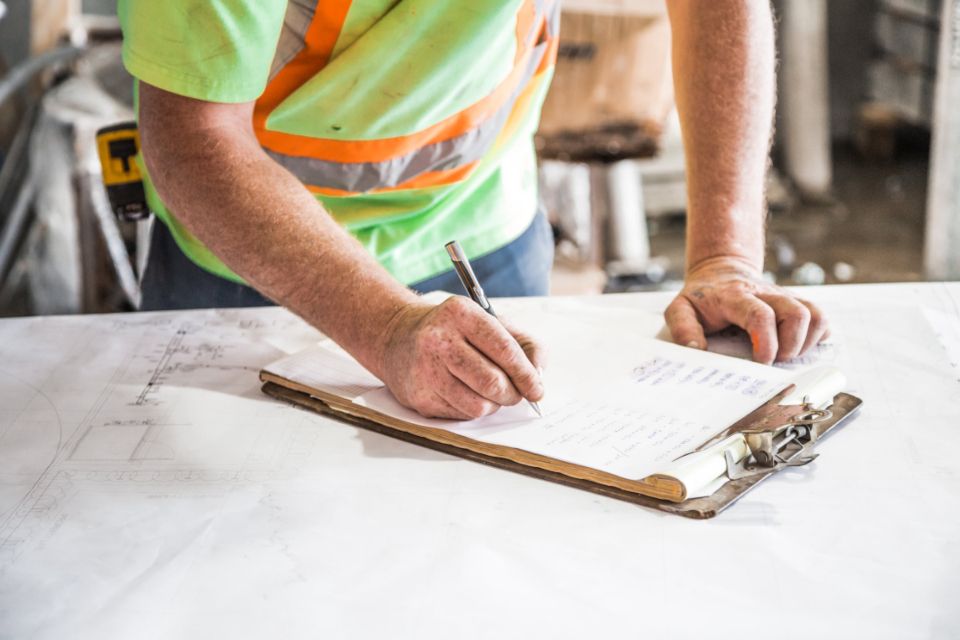
Most renovation plans start with a sketch and a budget. The question of approvals often comes later, sometimes after the trades are booked. That can cause delays, extra costs or a stop work order. Checking early is one of the easiest ways to keep a project on track.
This post covers the general idea of building permits and exempt work for home renovations in Australia. Each state and territory has its own laws, and councils add their own local rules. The rules also change over time. Use this as a starting point and confirm the details with your council or a building surveyor.
What a building permit actually does
A building permit is official approval to start construction or renovation work. It checks that the plans meet building regulations, safety standards and legal requirements. In Victoria a permit can come from the council’s municipal building surveyor or from a registered private building surveyor. Other states use different names, such as building approval or a construction certificate.
A permit is not the same as planning approval. Planning rules look at how a building fits the site and the street. Building rules look at how the work is built and whether it is safe. Some jobs need one, some need both and some need neither.
Renovation jobs that often need approval
People are often surprised by how much work needs a permit. Knox City Council in Victoria says that for building work around the house it is very likely you will need one. Its list of common examples is long. Here are some of the jobs it names:
- additions, alterations, carports and garages
- decks, pergolas, verandahs and shade sails
- restumping or reblocking
- retaining walls, sheds and fences
- rooftop solar panels and wood heaters
- swimming pools, spas and their barriers
- windows and water tanks
Outdoor work makes up a big part of that list. If your plans include decks, paving and walls, our guide on what to expect from landscape construction explains how those jobs usually run. Approvals for the structural parts are worth sorting before any digging starts. A good contractor will raise it with you.
Work that is usually exempt
Not every job needs paperwork. Knox Council says general maintenance and repairs are usually exempt. Minor alterations can be exempt too if they do not affect the structure or safety of the building. They also must not extend past the property line, involve a historic building or affect easements.
In New South Wales this kind of low impact work is called exempt development. It is set out in the State Environmental Planning Policy (Exempt and Complying Development Codes) 2008. The NSW Planning Portal lists decks, garden sheds, carports, fences, window repairs and house painting as examples. Each one still has to meet every development standard in that policy.
Painting is a good example of a job you can usually plan without approval. Timing matters more than paperwork for that one. Our post on the best time of year for exterior house painting covers the weather side. Colour rules can still apply in heritage areas, so check if your street has a heritage listing.
Size limits that decide the answer
Many exemptions depend on size, height and position on the block. Hume City Council in Victoria gives some clear examples from its guidance on the Building Regulations 2018. A shed under 10 square metres can be exempt if it is under 3 metres high and not made of masonry. Within 1 metre of a boundary the height limit drops to 2.4 metres.
Pergolas follow similar rules. In Hume’s guidance a pergola can be exempt if it is no more than 3.6 metres high and no more than 20 square metres in area. It also has limits on how far forward of the house it can sit. Retaining walls under 1 metre high can be exempt if they are not tied to other building work.
Decks are where many people get caught out. Hume says a deck or verandah attached to a building needs a permit regardless of size. That includes a deck attached to a house or a swimming pool. In NSW a deck can be exempt, but only if it meets every standard in the state policy.
When exempt work is still off limits
Exempt rules have their own exceptions. In NSW exempt development cannot happen on land with an item listed on the State Heritage Register. It also cannot happen in a wilderness area or critical habitat. Structures on public land or over a public road need approval from the council or the relevant authority.
Exempt work still has to be built properly. The NSW Planning Portal says exempt works must be structurally adequate. Products must be installed to the manufacturer’s specifications and those specifications must comply with the Building Code of Australia. Skipping approval does not mean skipping standards.
Older homes bring one more check. The NSW Planning Portal notes that buildings constructed before 1990 may contain asbestos. If you are unsure when your home was built, it suggests contacting a licensed asbestos assessor before you start. That applies even to small jobs like removing a wall lining.
Fitting approvals into your renovation plan
Approvals take time, so they belong at the front of your schedule. Drawings, engineering and surveyor reviews can all add weeks before work begins. Our guide to planning your renovation timeline shows where these steps usually sit. Build some slack into the start date rather than the finish.
Internal jobs need a plan too. A bathroom refresh with new tiles may not touch the structure, but moving walls or plumbing can. Our post on how long professional tile installation should take helps with the finishing stage. Ask your builder early which parts of the job need sign off.
How to check your own project
Start with your local council website. Most have a page that explains which jobs need a permit in your area. The Hume City Council guide to permit exemptions is a good example of the detail councils publish. In NSW the NSW Planning Portal page on exempt development explains the state system.
If you are still unsure, speak with a registered building surveyor or certifier. They can tell you which approvals apply and what drawings you need. Keep a written record of their advice with your project paperwork. Hume Council also says its guidance is general and suggests getting independent advice before starting.
Frequently asked questions
Do I need a permit to replace my kitchen?
A like for like kitchen replacement is often treated as minor work. Moving walls, plumbing or gas can change that. Check with your council or a building surveyor before you order cabinets.
Is a deck exempt from approval?
It depends on your state and the deck. Hume Council in Victoria says an attached deck needs a permit regardless of size. In NSW some decks can be exempt if they meet every standard in the state policy.
Who issues a building permit?
In Victoria a permit can come from a council’s municipal building surveyor or a registered private building surveyor. Other states use councils and private certifiers. Your council can point you to the right person.
What if I already built without a permit?
Stop and get advice before doing more work. A building surveyor can explain your options for your state. Unapproved work can cause problems when you sell or insure the home.
This is general information only and not legal advice. Building and planning laws differ between states, territories and councils and change over time. For advice about your own project, speak with a qualified lawyer or a registered building surveyor.
